Protect your Queensland home from costly termite damage with this expert guide to identifying early warning signs of termite activity. Learn how to inspect wooden surfaces, recognize mud tubes, spot discarded wings, and check moisture-prone areas for infestation indicators. Our QBCC-licensed technicians at Provecta Pest Management share professional detection methods using over a decade of Sunshine Coast experience. Early termite detection saves thousands in repair costs and prevents structural damage to your property.
Early termite detection saves thousands in repair costs. Learn to recognize warning signs before structural damage occurs.
1. Inspect Timber and Look for Structural Damage
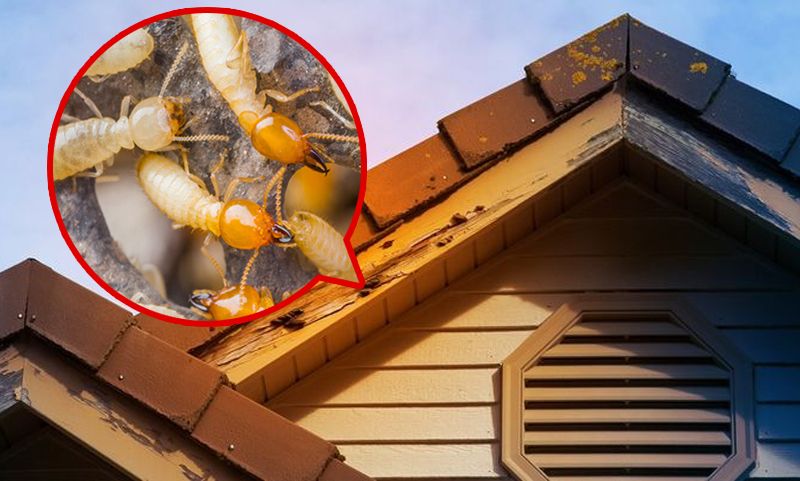
Run your hand along wooden door frames, window sills, and architraves, feeling for soft spots, hollow-sounding areas, or surface irregularities. Tap wooden surfaces gently with a screwdriver handle. Solid wood produces a clear, sharp sound, while termite-damaged wood sounds hollow, dull, or papery. Look for small pinholes, surface blistering, or paint that appears bubbled, which indicates activity beneath the surface layer. Inspect exposed timber beams, fence posts, tree stumps, stored timber, and structural wood for surface damage or irregularities. Press gently on suspicious timber with a screwdriver. If it penetrates easily, breaks through a thin surface layer, or reveals hollow galleries inside, termites may be actively feeding.
2. Search for Mud Tubes and Tunnels
Examine your home’s foundation, basement walls, subfloor areas, and any concrete-to-timber junctions for pencil-thin mud tubes. These brown, dried-mud tunnels are termite highways connecting ground colonies to timber food sources above. Check around plumbing penetrations, cracks in concrete slabs, expansion joints, and behind stored items against walls. Look for mud tubes on trees, fence posts showing hollowing at ground level, or soil that appears pushed up around timber-to-ground contact points. Mud tubes running up foundations or support posts are definitive evidence of active termite presence requiring immediate professional assessment.
3. Check for Discarded Wings and Swarmers
After swarming season, typically spring and summer in Queensland, inspect window sills, door thresholds, bathtubs, and around external lights for piles of discarded termite wings. These translucent, off-white wings are all roughly the same size and shape, unlike ant wings which vary. Reproductive termites (alates) shed their wings after finding a suitable location to establish a new colony. Finding wings inside your home is a serious warning sign indicating a colony has formed nearby or within your structure. You may also observe live swarmers during warmer months, which appear as small, pale insects with equal-length wings gathering near light sources.
4. Examine Property Perimeter and Garden Areas
Walk your property perimeter examining garden beds, retaining walls, tree stumps, timber landscape features, and wooden fence posts. Termites often colonize external timber sources before entering homes. Dead trees, old stumps, or buried timber within 20 meters of your home pose significant risk. Check for moisture accumulation around your foundation, blocked gutters, or poor drainage that creates damp conditions attractive to termites. Remove any timber debris, woodpiles, or stored lumber in contact with soil near your home’s exterior.
5. Inspect Subfloor, Roof Spaces, and Moisture Areas
If accessible, examine subfloor areas with a bright torch, looking for mud tubes on stumps, bearers, joists, and foundation walls. Check for moisture problems, poor ventilation, or timber in contact with soil, as termites are attracted to damp conditions. In roof spaces, inspect timber trusses, rafters, and wall frames, particularly where they meet external walls. Monitor bathrooms, laundries, and kitchens for water leaks, as moisture attracts termites and softens timber making it easier to consume. Inspect around hot water systems, air conditioning units, and anywhere plumbing penetrates through slabs or walls. Fix leaks immediately and ensure adequate ventilation in damp areas.
6. Document Findings and Contact Professionals Immediately
If you discover any signs of termite activity, photograph the evidence from multiple angles and avoid disturbing the area. Do not spray insecticides or attempt DIY treatment, as this can cause termites to relocate to other areas of your home, making professional treatment more difficult and extensive. Contact Provecta Pest Management immediately at 0474 562 661. Our QBCC-licensed technicians conduct comprehensive inspections using specialized equipment including moisture meters and thermal imaging to determine the full extent of infestation. We provide detailed reports with photographic evidence and recommend treatment strategies tailored to your specific situation.
Pro Tip:
Annual termite inspections by qualified technicians are essential for Queensland homes, as DIY visual checks only reveal obvious surface problems. Our licensed team uses thermal imaging cameras, moisture meters, and acoustic detection devices to identify hidden activity before major structural damage occurs. Termite damage is rarely covered by standard home insurance policies, making prevention and early detection absolutely critical to protecting your investment.